
What Is an FUE Hair Transplant?
An FUE (Follicular Unit Extraction) Hair Transplant involves removing naturally occurring bundles of 1-4, and sometimes 5-6, thick pigmented hair follicles from the scalp. These groupings, known as “follicular units” (FUs or grafts), are implanted into the balding areas via small incisions. Many people with androgenetic alopecia or pattern baldness retain a horseshoe-shaped band of hair on the back and sides of their scalps.
Ever since being introduced in 2002, follicular unit extraction (FUE) surgery has been offering a minimally invasive solution for hair loss with long-lasting and natural-looking results.
More than 80% of men and nearly half of all women experience hair loss in their lifetime. Yet, its widespread prevalence does not diminish the profound impact it can have on the professional, social and romantic lives of individuals. For many people, an FUE hair transplant can help restore hair in thinning or bald areas — individual results vary.
This forms the donor area from where the follicular units are extracted for implantation. The hair in the donor area of the scalp is resistant to the effects of the hormone (dihydrotestosterone or DHT) that shrinks the hair follicles and causes baldness.
Even after being placed into the bald spots, transplanted follicles typically retain their original growth characteristics; individual results vary. It is known as the principle of donor dominance, and it strengthens the success of FUE hair transplant.
How Much Does an FUE Hair Transplant Cost?
The cost of an FUE hair transplant can vary significantly based on where you have the procedure, how many grafts you need and the level of personalised care included in your treatment plan. For example, as shown in our cost comparison by country, prices in Turkey are typically much lower than in the UK – often ranging from around £1,900 to £4,400+ for FUE procedures in Turkey, whereas prices in the UK and other parts of Europe can be higher due to local clinic fees and overheads.
Because every case is unique, there isn’t a one-size-fits-all price. Treatment cost depends on the number of grafts required to achieve your desired density and coverage, along with what’s included in your plan. Many people find that travelling abroad for their FUE transplant – with comprehensive options – can offer excellent value without compromising quality. You can explore how those costs compare on our Average Cost of Hair Transplant in Turkey and Hair Transplant Cost Comparison by Country pages.
Want a personalised Hair Transplant estimate?
Use our Price Calculator to get an estimate of how much your hair transplant, or any other treatments you’re interested in might cost. This quick tool helps you plan your treatment and budget with confidence before booking a non-clinical consultation.
Select your treatment location
Select your treatment
Estimated Cost
All prices are estimates. Final cost may vary.
What’s included
DISCLAIMER
This is a price estimate only for budgeting purposes however it cannot be used as a substitute for a formal price quote that can only be given after a consultation with a qualified medical professional.
Optional additional treatments
Let's Turn Your Estimate Into a Plan
Complete the form and our team will reach out with everything you need to move forward.
Who Is a Good Candidate for FUE Hair Transplant?
Your suitability for an FUE hair transplant depends on more than just the availability of donor hair. Factors such as your overall health, age, stage of hair loss, and the stability of your donor area all play an important role in determining whether FUE is the right choice for you. Other considerations like donor density, gender, treatable medical conditions, and realistic expectations also influence long-term success. Each of these aspects will be carefully assessed during your consultation to ensure safe and natural-looking results.

Assessing Your Health Before Hair Transplant Surgery
Health: Physical and mental well-being are required.
Unsuitable: Body dysmorphic disorder (BDD), trichotillomania, alopecia areata, active scarring alopecia, HIV, hepatitis, cardiovascular illnesses, diabetes (not responding to treatments), active psoriasis, lupus, eczema, and pregnancy.

Ideal Age Range for Hair Transplant Candidates
Age: 25+.
Special exceptions apply for: Traumatic scars, burns and congenital alopecia.
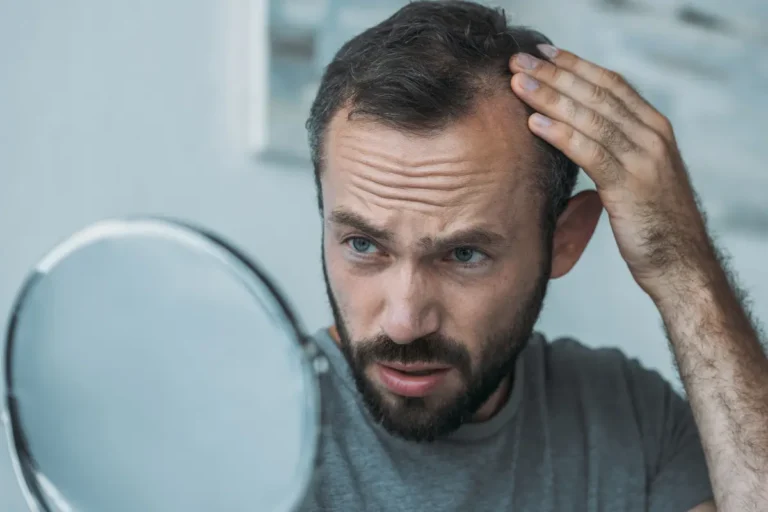
Matching Hair Loss Stage to Transplant Options
Norwood and Ludwig stages
Males: Norwood stages 2 to 7
Females: Ludwig stages 1-3
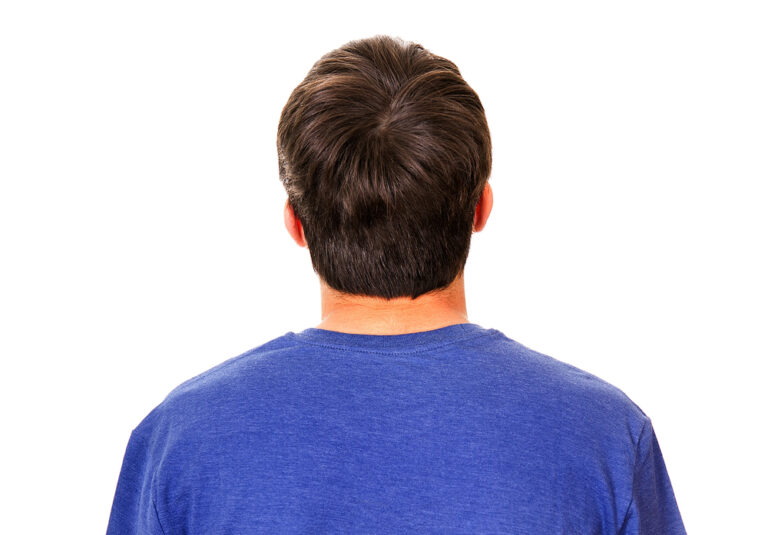
Evaluating the Stability of the Donor Area
Feasible for diffuse patterned hair loss. Unviable for diffuse hair loss affecting the entire scalp.
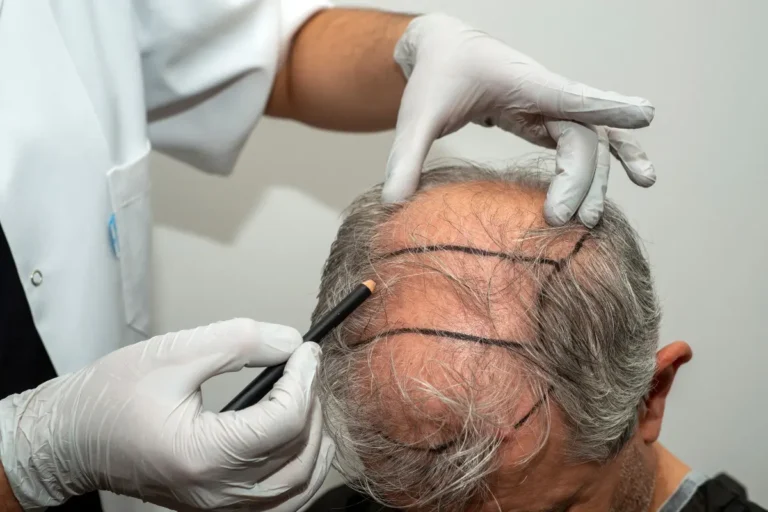
Why Donor Density Matters in Hair Restoration
Minimum of 40 grafts per cm2 might be necessary.
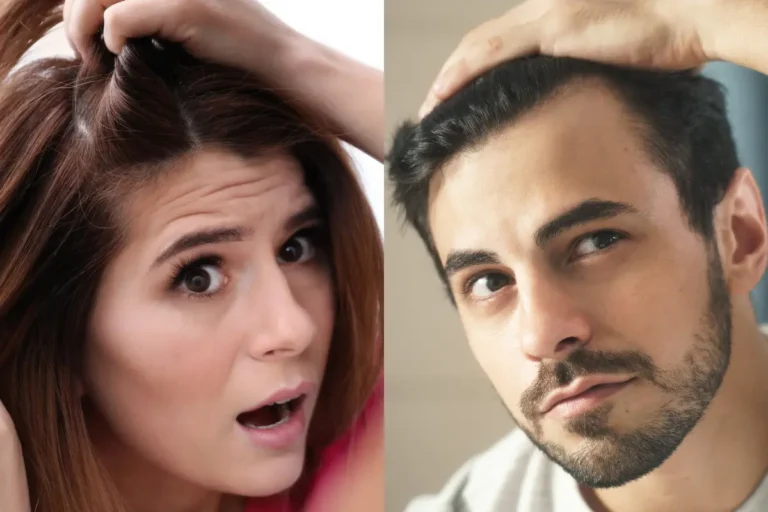
Gender-Specific Factors in Hair Transplants
Men and women, as well as for gender affirmation.
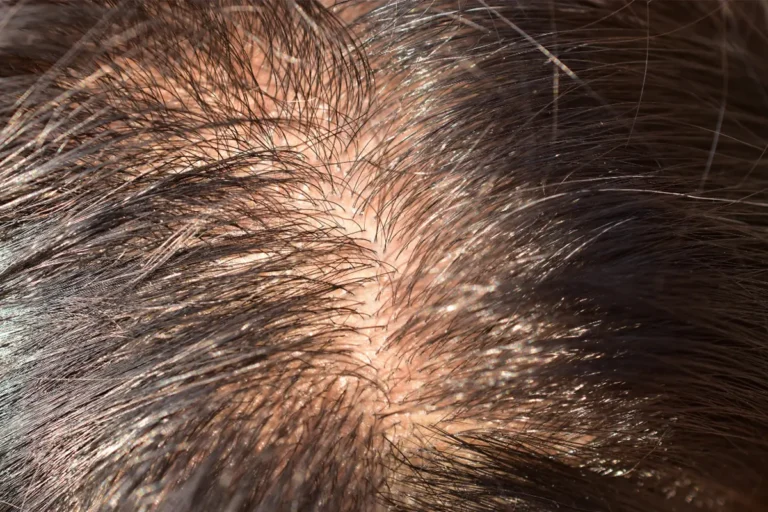
Conditions Suitable for Hair Transplant Surgery
Suitable for androgenetic alopecia, traction alopecia, stable scarring alopecia, and camouflaging scars from FUT, cleft lip surgery, facelift, and trauma.

Managing Expectations for Hair Transplant Results
People need to have realistic expectations about achievable results as existing hair is redistributed in a hair transplant.
How do I know how many grafts I will need?
Graft calculators are often used to estimate the number of grafts needed for transplantation. However, the final assessment can be more involved, including finding the:
Recipient Area Size
The recipient area is where the grafts taken from the back of your scalp will be implanted during surgery. The larger the size of your balding area is, the more grafts you’ll obviously need.
Generally, however, depending on the area being transplanted, you may need the following number of grafts:
- Hairline: 500-1,500
- Temples: 500-800
- Hairline & centre: 2,000-4,000
- Crown: 700-2,500
- Full coverage: 4,000-6,000
It’s important to clearly delineate the recipient area because if, for example, a few too many grafts are placed in one area, there might not be enough left to cover other areas. And with the donor area being limited, careful planning is even more crucial.
Get a Free Hair Transplant Assessment
Fill out the form to receive a callback and book a consultation to receive your Free, no-obligation hair transplant treatment plan tailored specifically for your hair loss requirements.
How Donor Density & Scalp Size Affect Hair Transplant Results
Donor density refers to the number of follicular units per centimetre square of the donor area. Ythe independent clinician will not extract more than 40-50% from each cm2, otherwise, it will leave the donor area permanently bald with a moth-eaten appearance (extracted donor hair is not replaced by new hair). In addition to density, the size of the donor area also determines how many grafts can be extracted. Of course, the bigger the donor area, the more grafts can be extracted for transplantation.
Preparing the Donor Area for Hair Transplant Surgery
A specific “safe zone” exists at the back of the scalp from where the hair is “donated” for transplantation. Making up 25% of the scalp, half the number of follicular units can be safely extracted from this region without leaving it bald.
However, to easily extract the grafts without damaging them, this safe donor area (SDA) always needs to be shaved. It is typically 5-7 cm wide, but the height depends on how much crown loss you have (upper margin) and where the bony bump is on the lower back of your scalp (lower margin).
With long hair and an unshaven FUE, you can easily hide this shaved area. And your donor region will start to heal right after the procedure, but full recovery takes longer. Once healed, scars in this area appear as small, slightly lighter dots, becoming unnoticeable with hair growth.
Principles of Hairline Design in Hair Restoration
A well-designed hairline is the hallmark of a well-done hair transplant, and an experienced surgeon understands the art and science involved in creating a natural hairline.
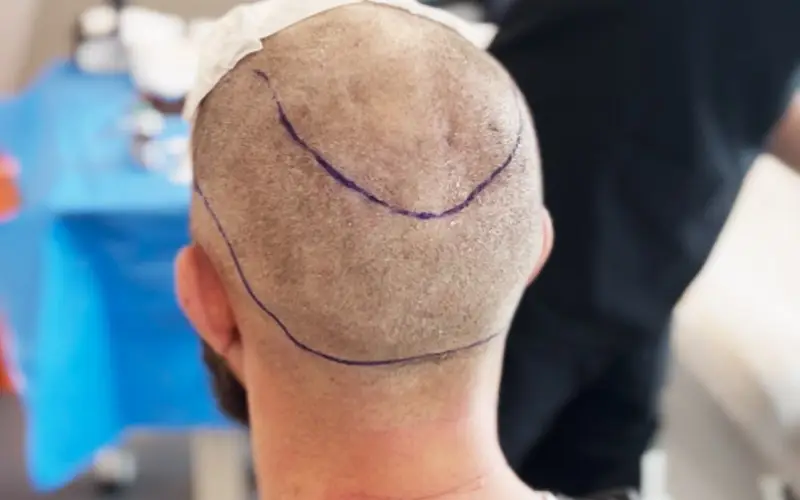
As a first step, using the nose’s centre as a reference, the central point of the hairline is determined. Ythe independent clinician will also ask you to raise your eyebrows so that the hairline starts above your forehead muscles. Otherwise, the implanted hair would move along with the muscles when you make certain facial expressions (e.g. laugh, frown, or get angry), which will make the results look unnatural.
Ythe independent clinician will use a laser device to make several measurements and ensure symmetry (with a degree of irregularity to ensure naturalness) in the hairline design. But their own judgement and experience remains crucial as hairline design needs to factor in facial structure, patient’s age, hairline height according to donor availability, and the extent of hair loss.
Once the hairline has been designed, you will be asked to assess it, checking how it looks from the front, back and at a distance to make sure you’re completely satisfied with it. Only the agreed-upon design is what the surgeon will work on.
Shaving Options for Hair Transplant Surgery
In an FUE hair transplant, the entire head is typically shaved down to 1-2 mm, although this step is not always required.
While the donor area is necessarily shaved, only the part of the scalp where the implantation is to take place will also be shaved. Any hair outside of this zone can remain untrimmed.
This can be beneficial, for instance, in cases like frontotemporal recession, where only the donor area may need shaving. The rest of your hair can stay intact, but it needs to be determined by ythe independent clinician.
Keep in mind that you’ll be advised not to cut your own hair. You should leave it as long as possible as it helps with the surgical planning; the medical team will shave your head at the clinic.
How Anaesthesia is Used in Hair Transplants
FUE surgery is usually done under local anaesthesia – given separately to the donor and recipient areas. It will make sure that you don’t experience any pain during the extraction or implantation phase of the surgery.
It is, however, often noted that people experience temporary pain from the injections of the anaesthesia itself. It can occur due to the presence of a commonly used local anaesthetic, lidocaine (lignocaine), which can cause a burning sensation.
If you are worried about the pain, you will have the option of needle-free anaesthesia (at no extra cost). In this, a pressure gun is used to deliver anaesthesia below the skin. Once the scalp has numbed, anaesthesia with the needle will be administered.
How Grafts Are Extracted in an FUE Hair Transplant
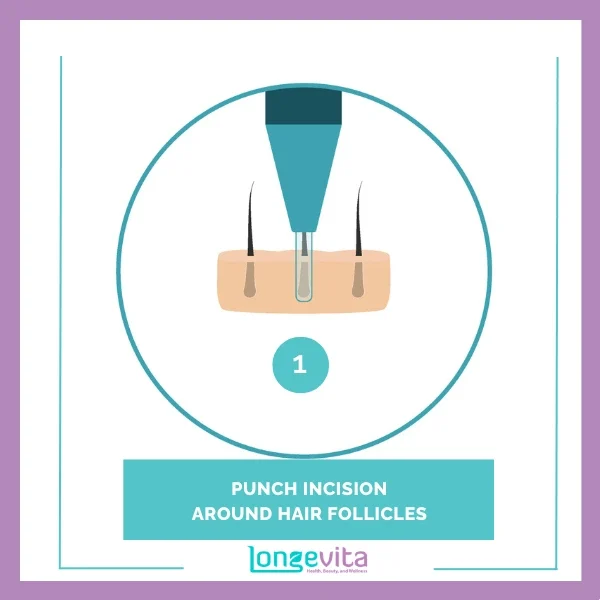
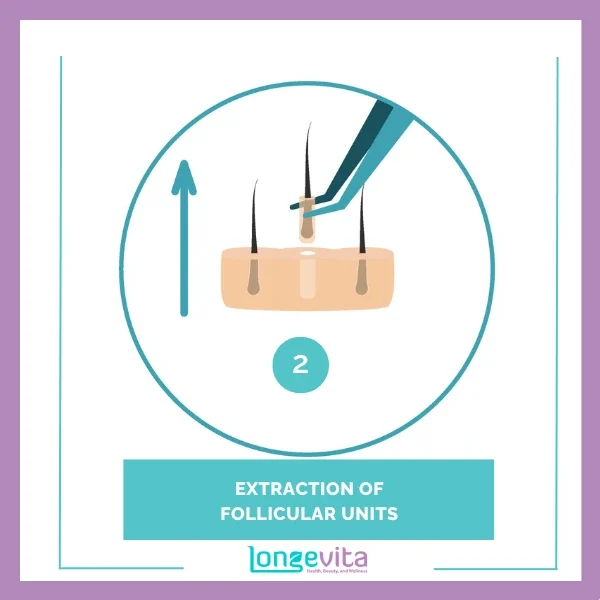
The FUE surgery begins with the extraction of grafts as you lie on your stomach – one technician manning the punch tool and the other taking the grafts out with a tweezer.
The punch tool, usually with a diameter of 0.8-1 mm, is mounted on a motorised handheld device that encircles the hair follicle and creates a circular incision around it.
It is so positioned that it aligns with the angle at which the hair shaft emerges from the skin, and the idea is to penetrate the tool to the point where the graft is freed from a small muscle attached to hair follicles (arrector pili, which causes goosebumps on contraction).
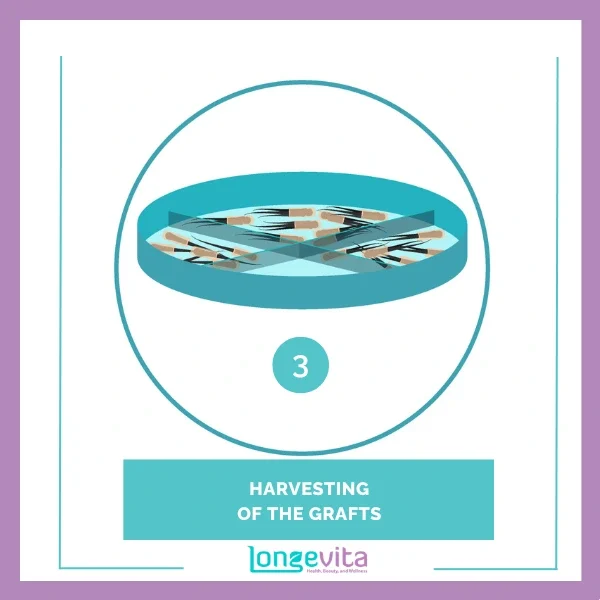
Punches usually score the skin at around 2-3 mm depth to liberate the grafts and allow them to “pop up” a little, after which they’re removed using tweezers. It’s typically avoided to extract grafts adjacent to a previous extraction site to avoid the creation of patchy bald spots.
Once the grafts have been removed, they’re placed in a chilled storage solution of isotonic water and adrenaline to ensure their survival while they’re out of the body.
After the extraction process, which can take a couple of hours or more depending on the number of grafts to be extracted, the donor area is bandaged.
This is because the anaesthesia and expansion fluid (tumescence) may leak out through the holes created at the back of the scalp. The bandage will be removed the next day at your check-up appointment.
Incision Technique & Precision
As well as hairline design, incision-making is another area of hair transplantation that requires artistry.
Incisions make a significant difference in how hair emerges from the scalp, how grafts fit and what their direction will be – greatly influencing the naturalness of the result. This is why these slits are exclusively made by the surgeon.
First, your recipient area will again be anaesthetised. Additionally, tumescence, which is a solution containing isotonic water and adrenaline, will follow the local anaesthesia.
“Separating” the skin from the bone, tumescence relaxes the area where the hair root will be placed. Because it contains adrenaline, it also reduces bleeding in incision-making, and it improves the view of the implantation area.
Following that, there are a number of considerations about how the slits will be made:
The Role of Incision Size in Hair Transplants
Small blades are used to create incisions of varying sizes from 0.6 to 1.2 mm. Around 0.6-0.9 mm incisions can be made for single-hair grafts, 0.9-1 mm for two-hair grafts and up to 1.2 mm or so for larger grafts as they’re bigger in size.
The smaller incisions are made at the front so that single-hair grafts can create a feathered and natural-looking hairline. There are specific zones within the hairline – namely, a transition zone and a defined zone – with different densities and grafts in each area.
At the front is the transition zone, which can have around 25 (irregularly placed) follicular units per cm2 with 1-2 hair grafts. This is followed by the defined zone, which is denser and can have 2-3 hair grafts.
As we move farther back on the scalp, bigger grafts are used to create a good appearance of density.
In this entire process, the surgeon has to be careful not to follow a fixed pattern when drawing incisions across the balding area since that would make the results look odd. The randomness and irregularity make the results look more natural.
Planning Incision Density for Optimal Results
The density of incisions (number of incisions per cm2) is usually highest in the front (especially around the hairline), potentially around 40 grafts/cm2, but can lower down to 25 around the crown region.
The total number of incisions made and the density will, however, depend on the number of grafts planned for the surgery.
Importance of Incision Depth in Graft Survival
The depth of each incision is determined according to the graft and may be kept slightly shorter than the original length of the graft. Creating the proper depth helps avoid some potential complications.
For instance, if the slit is not deep enough, the graft can heal above the surface of the skin, giving it a bumpy appearance – a complication called cobblestoning. Alternatively, if it’s too deep, the grafts can sink in and even lead to pitting or cyst formation. At an incorrect depth, the growth of the graft can also be affected.
Creating Natural Results with Incision Angles
Angling is crucial and varies across the different scalp regions. For instance, it’s around 15-20 degrees in the front but then increases to 30-40 in the mid-scalp and can then increase to around 45 degrees in the centre of the vertex.
Incision Orientation for a Natural Hairline and Density
The incision sites can be oriented in one of two ways: sagittal (parallel to hair growth direction) and/or coronal (perpendicular to hair growth direction).
Where sagittal incisions are liked for being more natural and can be seen used in the hairline area, the coronal slits are believed to create an appearance of density, which is why they may be used in the mid-scalp. The final orientation will be decided upon by the surgeon (it can be a combination of the two).
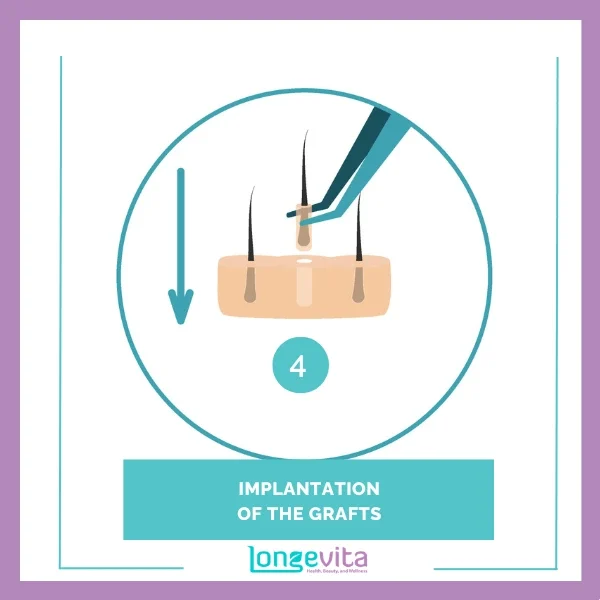
How Grafts Are Placed in an FUE Hair Transplant
Once all the incisions on the scalp have been made, two experienced technicians use tweezers to place the grafts into the slits while you lie on your back.
Starting at the hairline, the frontal transition zone is filled with 1- and then 2-hair grafts, followed by the placement of 2-3 hair grafts in the defined zone.
In the central area, the illusion of full density is created with 3-4 hair grafts, while the surrounding area may be filled with grafts containing 2 hairs. As for the crown, there is a gradient of graft density – from higher to lower towards the centre.
These grafts are also placed in the direction of the incisions (which are in the direction of natural hair) to ensure the best results.
How PRP Injections Support Hair Transplant Recovery
It is not mandatory to have platelet-rich plasma (PRP) to stimulate hair growth, but they have become very popular with people planning to or having had hair transplants.
It’s an adjunct treatment that can help stimulate the roots of your hair with growth factors and proteins. However, it should be noted that PRP won’t regrow dead hair follicles – it can only repair and restore the living cells in your scalp.
You can get PRP on the day of the surgery after it’s been done. The independent clinicians will carefully inject around the newly transplanted grafts in order to prevent any damage to them.
Generally, 4 sessions of this are recommended after an FUE hair transplant, each 4-6 weeks apart. Both donor and recipient areas can be injected to support regrowth in them.
Hair Transplant Recovery & Healing Timeline
Recovering from an FUE hair transplant is a gradual process, and most people are able to return to work within a week. However, healing and hair growth continue well beyond that. To support your recovery, it’s important to follow the aftercare advice provided during your check-up and in the digital guide we can share with you. For any concerns or additional questions, our dedicated Client Support Team is always available to support you at support@longevita.co.uk and can arrange further consultations if needed.
How to Manage Itchiness During Recovery
Itchiness is one of the most challenging yet expected parts of recovery. Scabs and dryness can trigger irritation, but it’s important not to scratch, as this could damage grafts. Using the prescribed saline spray and following the recommended washing routine can help soothe the scalp and provide relief.
Managing Swelling After Surgery
Swelling is a common side effect that usually disappears within 3-5 days. It may affect the forehead or eyes, but it is temporary. Staying hydrated and applying an ice pack to the face (not directly on the grafts) can help subside swelling faster. Sleeping with your head elevated also aids recovery.
Treating Pimples After a Hair Transplant
Pimples can appear when emerging hair shafts irritate the skin due to ingrowth. They may occur in both donor and recipient areas. Gentle fingertip massages while shampooing improve blood circulation and help reduce their appearance. Avoid squeezing pimples, as this can damage grafts.
Coping with Dry Skin After a Hair Transplant
Dryness is a normal and temporary side effect that may occur in both the donor and recipient areas. Resist the urge to scratch or touch the scalp during the day. Massaging with your fingertips while rinsing improves circulation and helps ease dryness. The prescribed saline spray can also provide hydration.
What to Expect With Shock Loss
Shock loss is an unavoidable yet temporary shedding of transplanted or surrounding hairs that typically occurs 2–3 weeks after surgery. It can affect both the donor and recipient areas. Regrowth usually starts around 3 months, and this process has no negative impact on the final outcome.
Hair growth stages explained
New hair growth can begin around 3 months post-surgery. By the 6-8 month mark, around 70-80% of results are visible. Final results are achieved within 12-18 months, with the crown area often taking longer due to slower blood circulation. Patience is essential, as hair thickens gradually over time.
Scarring After an FUE Hair Transplant
Both donor punch holes and recipient site incisions heal naturally without stitches and fade over time. The incisions are hidden by surrounding hair, and donor punches are barely visible once regrowth begins. Following aftercare instructions helps minimise the risk of noticeable scarring.
The Right Sleep Position After Surgery
In the first 2 weeks, you’ll be advised to sleep flat with the support of a neck pillow until all scabs have healed. This prevents pressure on grafts and helps reduce swelling. After 2 weeks, you can safely return to your normal sleeping position.
Recipient Area Density
How many grafts can be placed per cm2 of the balding area will determine its overall density. In general, recipient density can range from 25-40 grafts per cm2, but it depends on the donor supply, the specific scalp region (usually higher at the front), and the desired density.
For instance, if the front of your hairline and scalp are more cosmetically important to you, and the number of grafts is limited – you might opt to cover only the front while leaving the crown area.
It’s important to understand that density and coverage have an inverse relation – when one increases, the other decreases, so you need to be clear about what you want. In any case, the goal of a hair transplant surgery is to create an illusion of density since the donor area is finite.
How Different Graft Characteristics Affect Hair Transplant Results
Not all grafts are the same. When planning your FUE hair transplant, the independent clinicians carefully evaluate the unique characteristics of your hair to determine how many grafts are needed and how best to distribute them. Factors such as hair thickness, curl, density per graft, and the contrast between hair and scalp all play a crucial role in the final outcome.
Hair calibre (thickness)
The thicker the hair, the better the illusion of density, even with fewer grafts. It can vary between ethnicities – Asian hair is the thickest, followed by Caucasian and African.
Hair curl
Curlier hair provides more coverage than straight hair. Kinky hair might not require as many grafts as straight, fine hair.
Number of hairs per graft
More hairs per graft equals better coverage. Those who have fewer hairs per graft might need more grafts.
Scalp and hair colour contrast
A closer match gives a fuller look – the darker the hair colour and scalp skin or vice versa, the less see-through the scalp.
Before & After FUE Hair Transplant Results
Visible results from an FUE hair transplant typically appear within 12-18 months. However, individual outcomes can vary depending on several factors, including the density and size of your donor area, the extent of baldness, your overall health and medical history, and the surgical technique used.
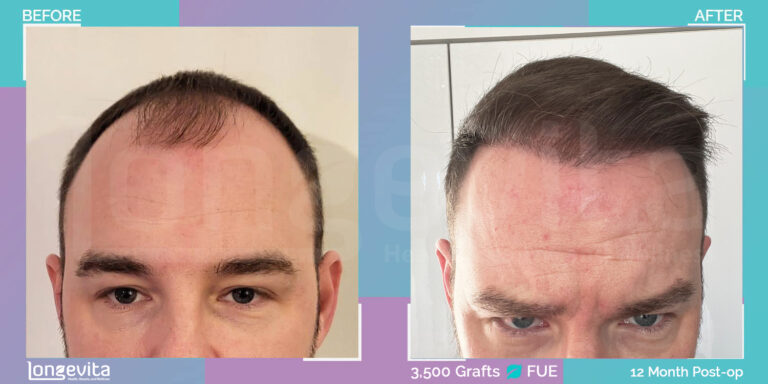
- Age: 39
- FUE
- 3,500 grafts
- 12 Months
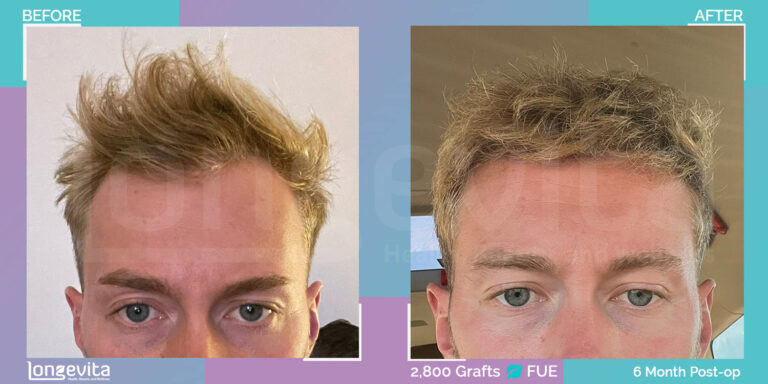
- Age: 26
- FUE
- 2,800 grafts
- 6 Months
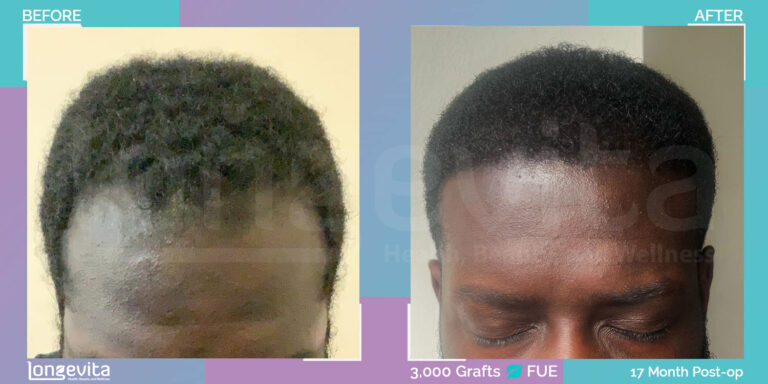
- Age: 29
- FUE
- 3,000 grafts
- 17 Months
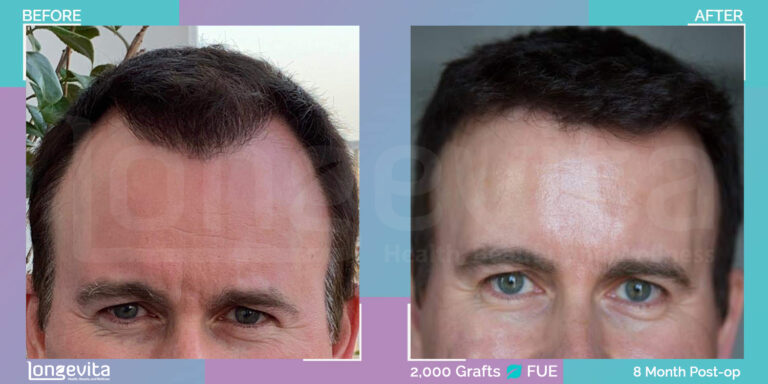
- Age: 51
- FUE
- 2,000 grafts
- 8 Months
What’s the Difference Between FUE and FUT Hair Transplants?
A hair transplantation technique that often comes up with FUE is follicular unit transplantation or FUT (also known as strip surgery). The main difference between the two is the way in which the grafts are extracted from the scalp.
FUE Technique
Extraction: A small punch tool to take out each follicular unit.
Scarring: Small, circular-shaped scars (less than 1 mm in diameter), which are randomly distributed. Even when you wear your hair short, you don’t have to worry about their visibility.
FUT Technique
Extraction: A piece of skin is cut out from the scalp, from which the grafts are then harvested. Relatively more invasive.
Scarring: Leaves a linear scar, which can be up to 25 cm long (varies according to the no. of grafts) and is visible when the hair’s cut short.
Advantages of an FUE Hair Transplant
FUE has become the most popular hair restoration technique worldwide because of its minimally invasive nature and long-lasting results. Compared to older methods like FUT (strip surgery), it offers greater comfort, faster healing, and more natural-looking outcomes.
The key advantages of choosing FUE over other hair transplant techniques include:
- Minimally invasive - the procedure does not require stitches.
- Quick recovery - with less discomfort compared to other methods.
- Minimal scarring - no linear scar, making it possible to wear hair short.
- Scar camouflage - FUE can conceal FUT strip scars by transplanting new hair into them.
- Natural-looking results - grafts are placed to follow your natural hair growth pattern.
- Permanent growth - results can last a lifetime as transplanted hair resists balding.
These benefits make FUE the preferred choice for people seeking a discreet, effective, and lasting solution to hair loss
Ready to start your Hair Transplant Journey in Turkey?
Fill out the form to receive a callback and book a consultation to receive your Free, no-obligation hair transplant treatment plan tailored specifically for your hair loss requirements.
Frequently asked questions about FUE Hair Transplants
A weak donor area means that you have 15-20 hair grafts per cm2 on the back/sides of your scalp. You may not be able to get a hair transplant in this case.
Graft survival in FUE procedures varies depending on several factors, including surgeon technique, patient health, healing response, and post-operative care. Your clinician will discuss the expected range of outcomes based on your individual circumstances during consultation.
You can experience temporary hair loss after the surgery, but the transplanted grafts remain intact.
Yes, you will have a face-to-face consultation with your hair transplant surgeon before the surgery. In it, you should communicate your expectations from the procedure, and the surgeon will inform you what’s achievable. Moreover, they will explain the surgical procedure and draw your hairline. They will only proceed with the surgery once you agree to the treatment plan and hairline design.
Our team will share the CV and portfolio of the independent clinician with you. Moreover, you can learn more about them on our related page.
Most people can return home a day after their FUE hair transplant. However, we recommend you go to your follow-up appointment the very next day.
If you request it, we can put you in touch with someone who has had an FUE from the independent clinician.
It will all be in English. To further assist you, an interpreter will also accompany you.

Dr Cagla earned her medical degree at Trakya University’s Faculty of Medicine in Bulgaria and has almost 6 years of hair transplantation experience. She is a specialist in FUE, DHI and Sapphire hair transplants of the scalp, eyebrows and beard and has performed over 6,000 surgeries. Dr Cagla is multilingual, with fluency in English, Bulgarian and Turkish.